The Alternative Fields Medals
About the award
To help recognize the many important types of contributions to mathematics, we have created Alternative Fields Medals. These will be awarded in four different categories that complement what is recognized by the original Fields Medals. These categories (all of equal prestige) are as follows:
Excellence in mathematics research by somebody who is currently over the age of 40.
Excellence in mathematics research with approaches that are not mathematically rigorous (construed broadly).
Excellence in leadership in the mathematics community (construed broadly).
Excellence in exposition of mathematics to a popular audience.
2026 Awards
- We are seeking nominations for the four categories! (We need your suggestions before May 10.)
- For more information, please contact Mason Porter and Evelyn Sander by direct message or e-mail.
- Winners will be announced on May 25, 2026.
- The award consists of a 3D-printed mathematical trophy and some bragging rights.
- The decision for who ultimately receives the award is made solely by Mason Porter and Evelyn Sander. We are speaking on our own behalves and are not representative of anyone else. Our authority is based solely on (1) coming up with the idea and (2) making the trophies.
2022 Awards
Winners
The following are the 2022 winners in the four categories listed above. They were announced on May 25, 2022.
 | 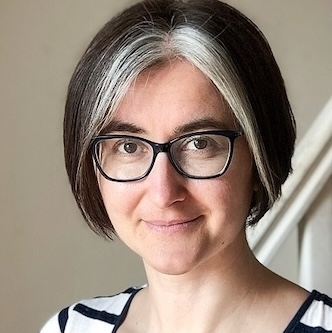 | 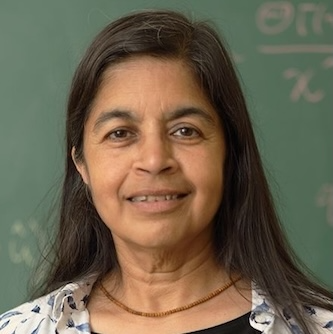 | 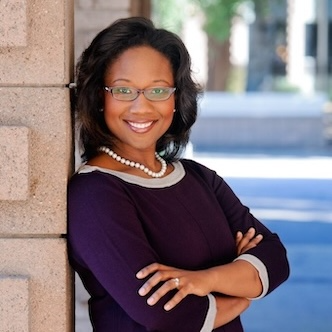 |
| 1. Andrew J. Bernoff | 2. Lenka Zdeborová | 3. Nalini Joshi | 4. Talithia Williams |
AFM Trophies 2022
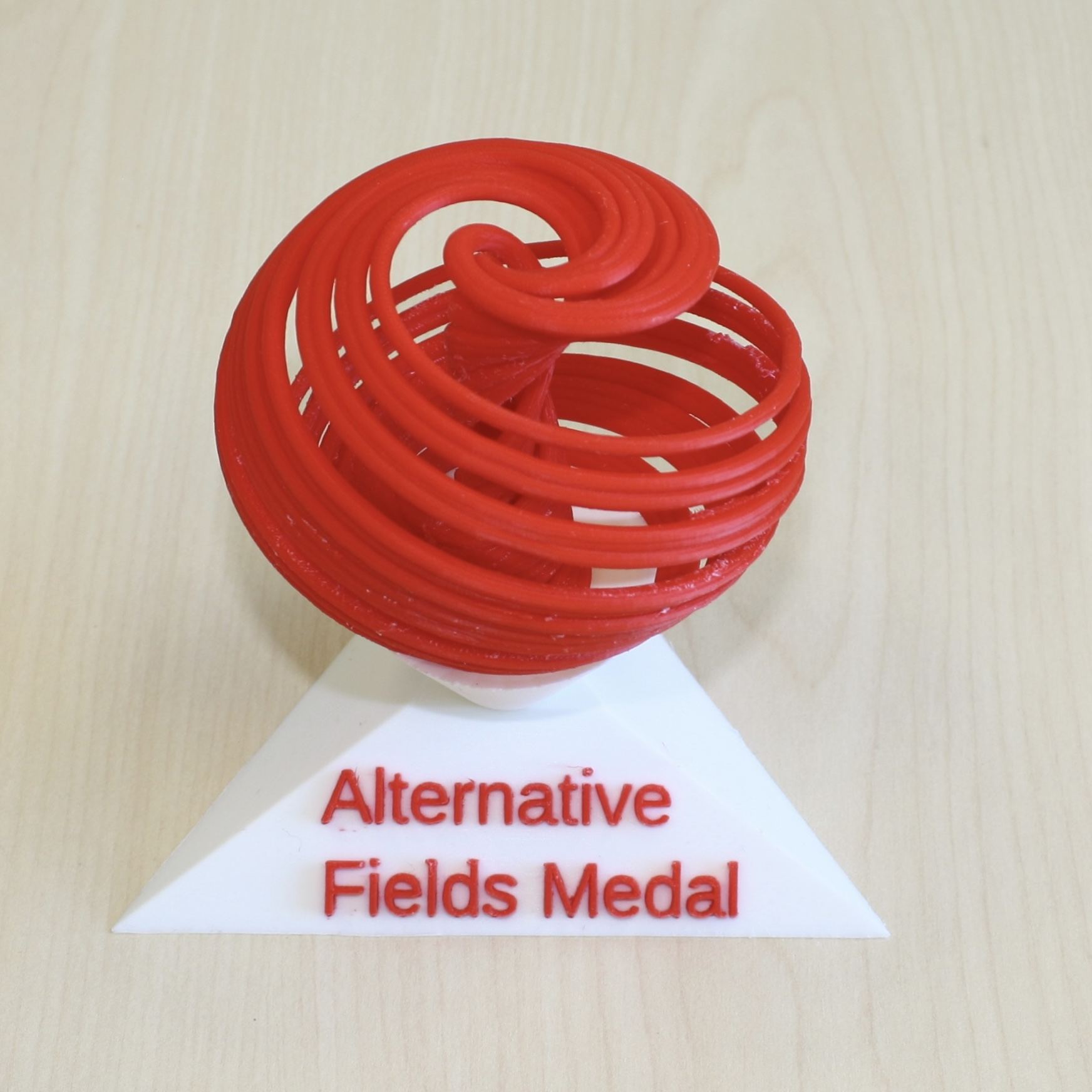 | 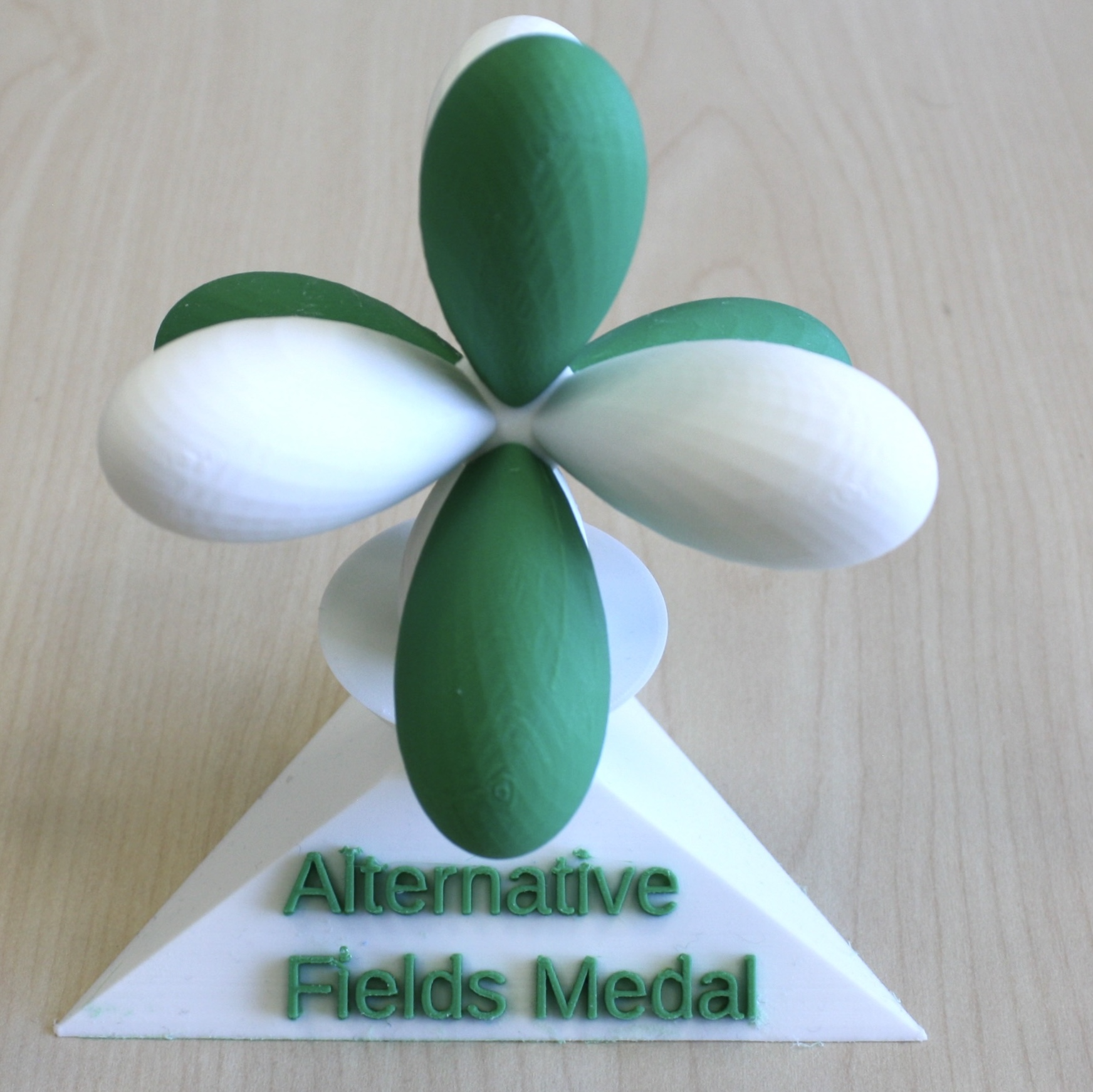 | 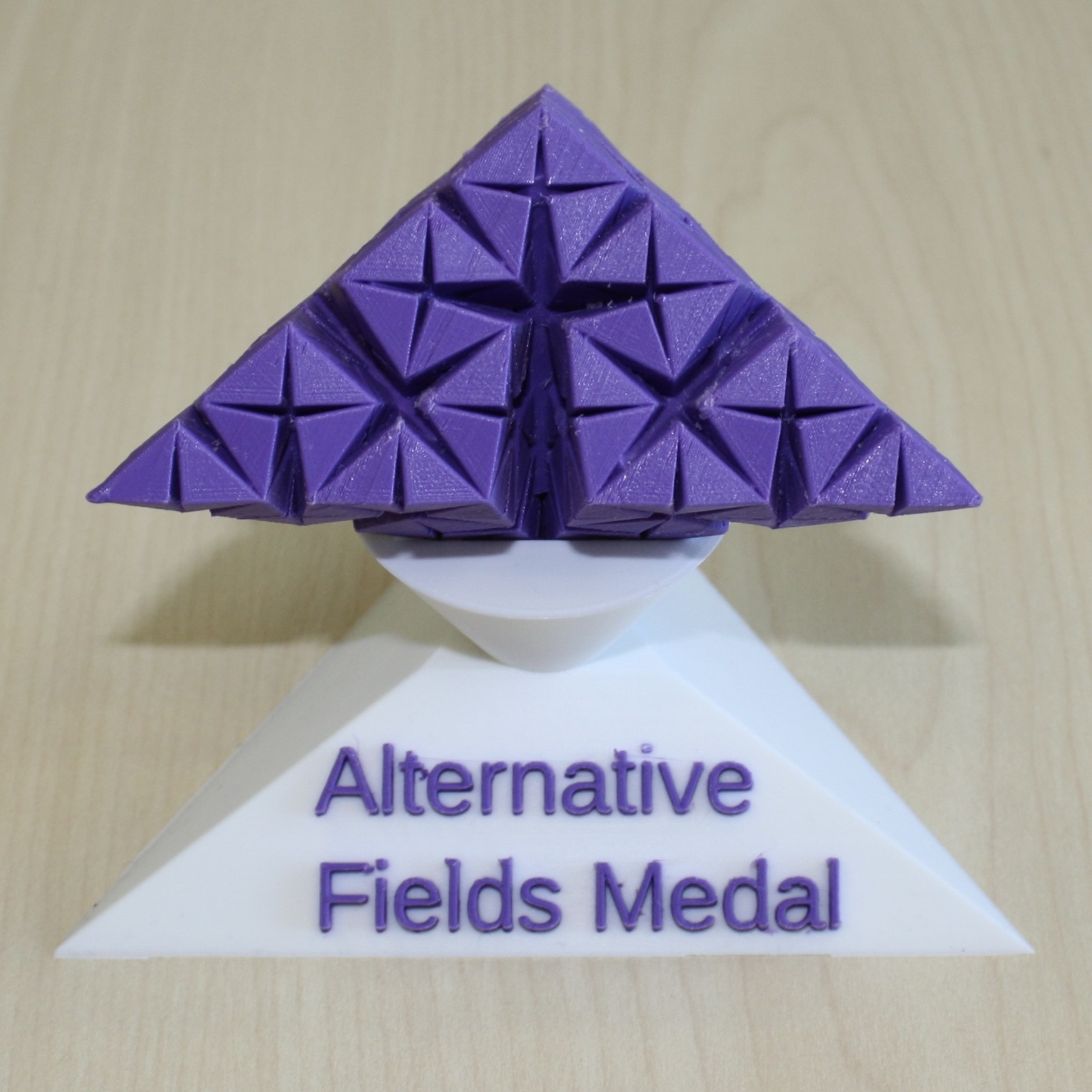 | 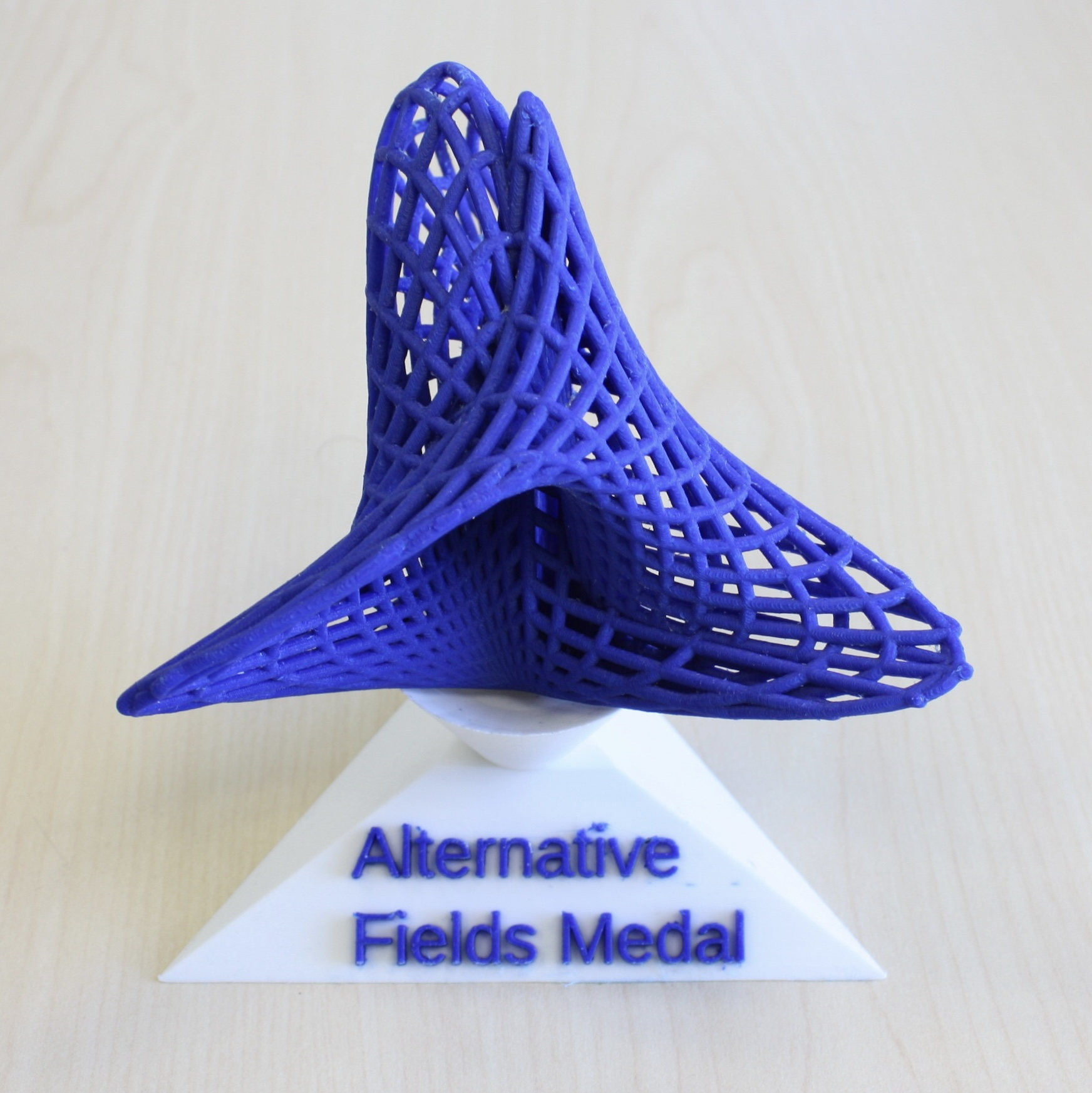 |
| The Langford Attractor | Spherical Harmonic | Iterated function system | Boys surface |
The math behind the trophies
The dynamical system that has the Langford chaotic attractor is mentioned in this article “Modeling Dynamical Systems for 3D Printing” by Stephen K. Lucas, Evelyn Sander, and Laura Taalman; in Notices of the AMS.
To learn more about spherical harmonics, see the Wikipedia page: https://en.wikipedia.org/wiki/Spherical_harmonics
Trophy based on “Three-Dimensional Fractals” by Bandt, Duy, and Mesing; in The Mathematical Intelligencer. To learn more about iterated function systems, see the Wikipedia page: https://en.wikipedia.org/wiki/Iterated_function_system
You can read more about Boy’s Surface (which was named after Werner Boy, from work in his dissertation under David Hilbert) at this page: https://virtualmathmuseum.org/Surface/boys_apery/boys_apery.html
Acknowledgements
- Thank you to those who contributed nominations for the four categories!
- Trophy Design: Evelyn Sander.
- Trophy Printing: Patrick Bishop.
- Photo credits: All photos by D.M. Anderson.