The Alternative Fields Medals
About the award
To help recognize the many important types of contributions to mathematics, we have created Alternative Fields Medals. These will be awarded in four different categories that complement what is recognized by the original Fields Medals. These categories (all of equal prestige) are as follows:
Excellence in mathematics research by somebody who is currently over the age of 40.
Excellence in mathematics research with approaches that are not mathematically rigorous (construed broadly).
Excellence in leadership in the mathematics community (construed broadly).
Excellence in exposition of mathematics to a popular audience.
More Details
- The award consists of a 3D-printed mathematical trophy and some bragging rights.
- The decision for who ultimately receives the award is made solely by Mason Porter and Evelyn Sander. We are speaking on our own behalves and are not representative of anyone else. Our authority is based solely on (1) coming up with the idea and (2) making the trophies.
- All comments should be sent to AFM.prize@gmail.com
2026 Awards
- The winners have been decided! Thank you for the nominations for the four categories! (The last date for suggestions was July 10, 2026)
Winners 2026
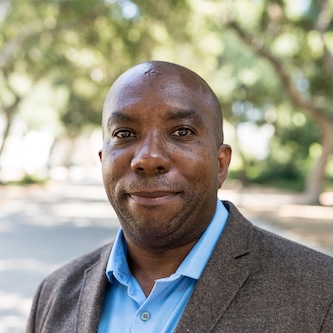 |  | 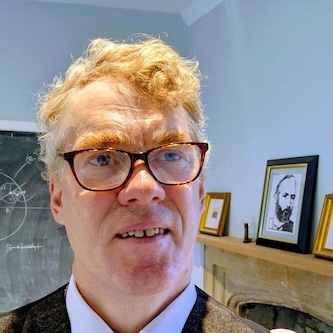 |
|---|---|---|
| Edray Goins | Jonathan Mattingly | Joel David Hamkins |
Edray Goins, Professor of Mathematics and Statistics at Pomona College, is the winner of the AFM prize for excellence in leadership in the mathematics community. For many years, Prof. Goins has run summer programs for underrepresented minorities. These programs include an institute for freshman at Caltech, programs at Miami University and SLMath, and an REU at Pomona College. From 2015 to 2020, he was President of the National Association of Mathematics. He also maintains the website Mathematicians of the African Diaspora. More information about Prof. Goins is available at https://goins.sites.pomona.edu.
Jonathan Mattingly, Kimberly J. Jenkins Distinguished University Professor of New Technologies in the Department of Mathematics at Duke University, is the winner of the AFM prize for research by a researcher who is over age 40. Prof. Mattingly works in stochastic partial differential equations, random dynamical systems, and their applications. He has made important contributions to the study of Navier–Stokes equations, a variety of biological problems, mathematical gerrymandering, and other topics. As part of his work on mathematical gerrymandering (i.e., the mathematics of redistricting), Prof. Mattingly has testified in court cases and political hearings. More information about Prof. Mattingly is available at https://sites.math.duke.edu/~jonm/.
Joel David Hamkins, John Cardinal O’Hara Professor of Logic in the Department of Philosophy at Notre Dame University, is the winner of the AFM prize for excellence in exposition of mathematics to a popular audience. Prof. Hamkins has written many mathematics books for popular audiences, and he has also been the top-ranked user on MathOverflow since 2010, where he has written almost 2000 posts (with over 5.8 million views). More information about Prof. Hamkins is available at https://jdh.hamkins.org/.
AFM Trophies 2026
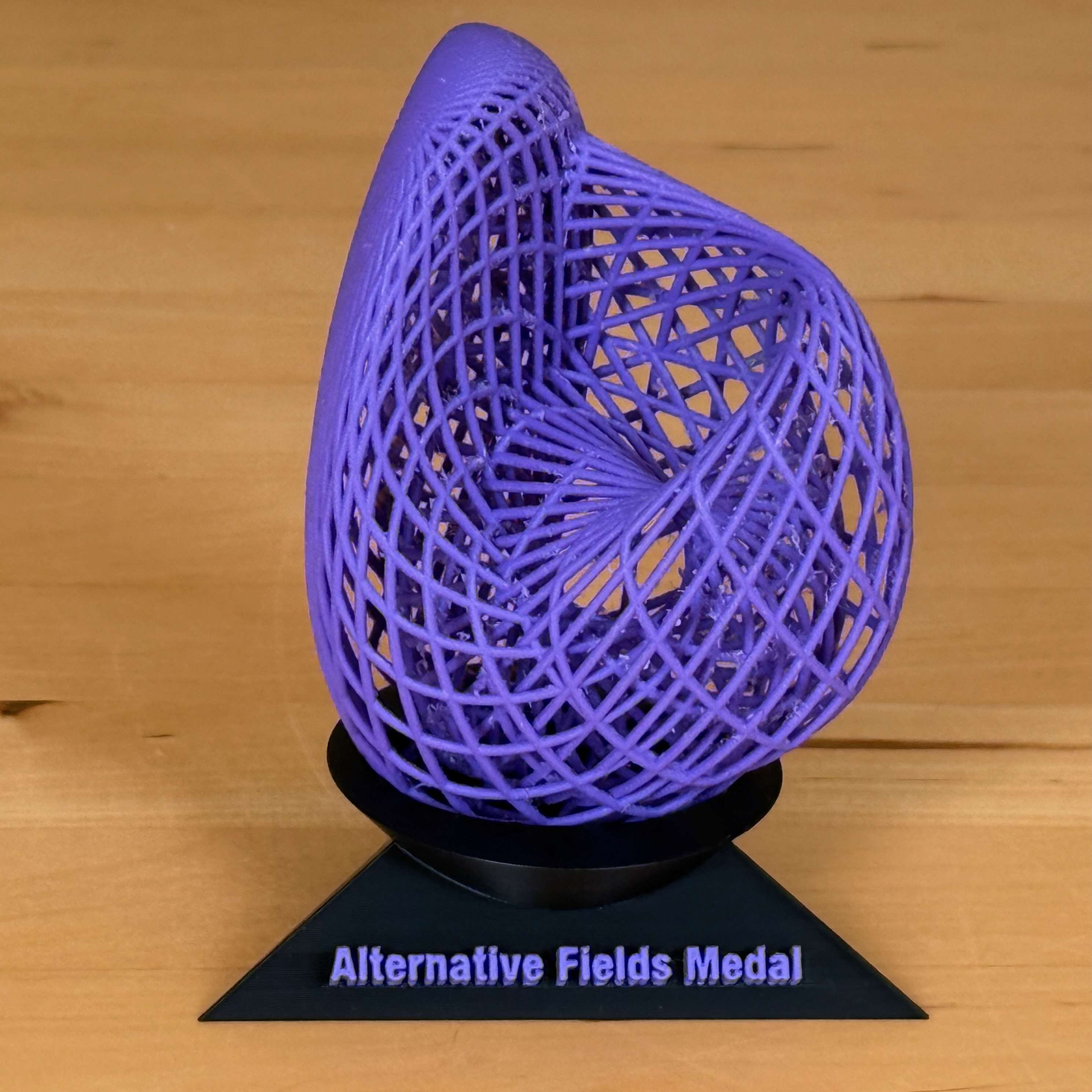 | 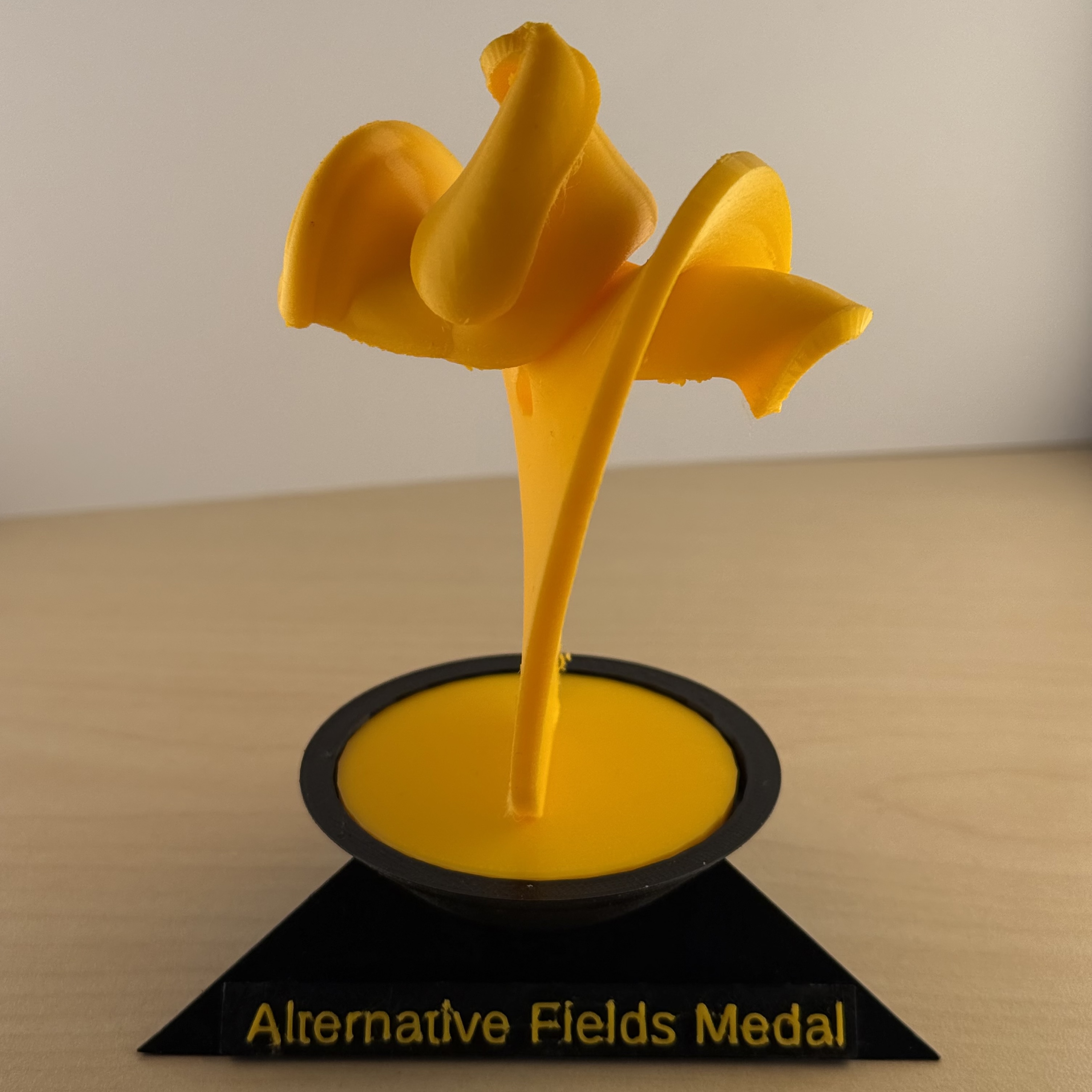 | 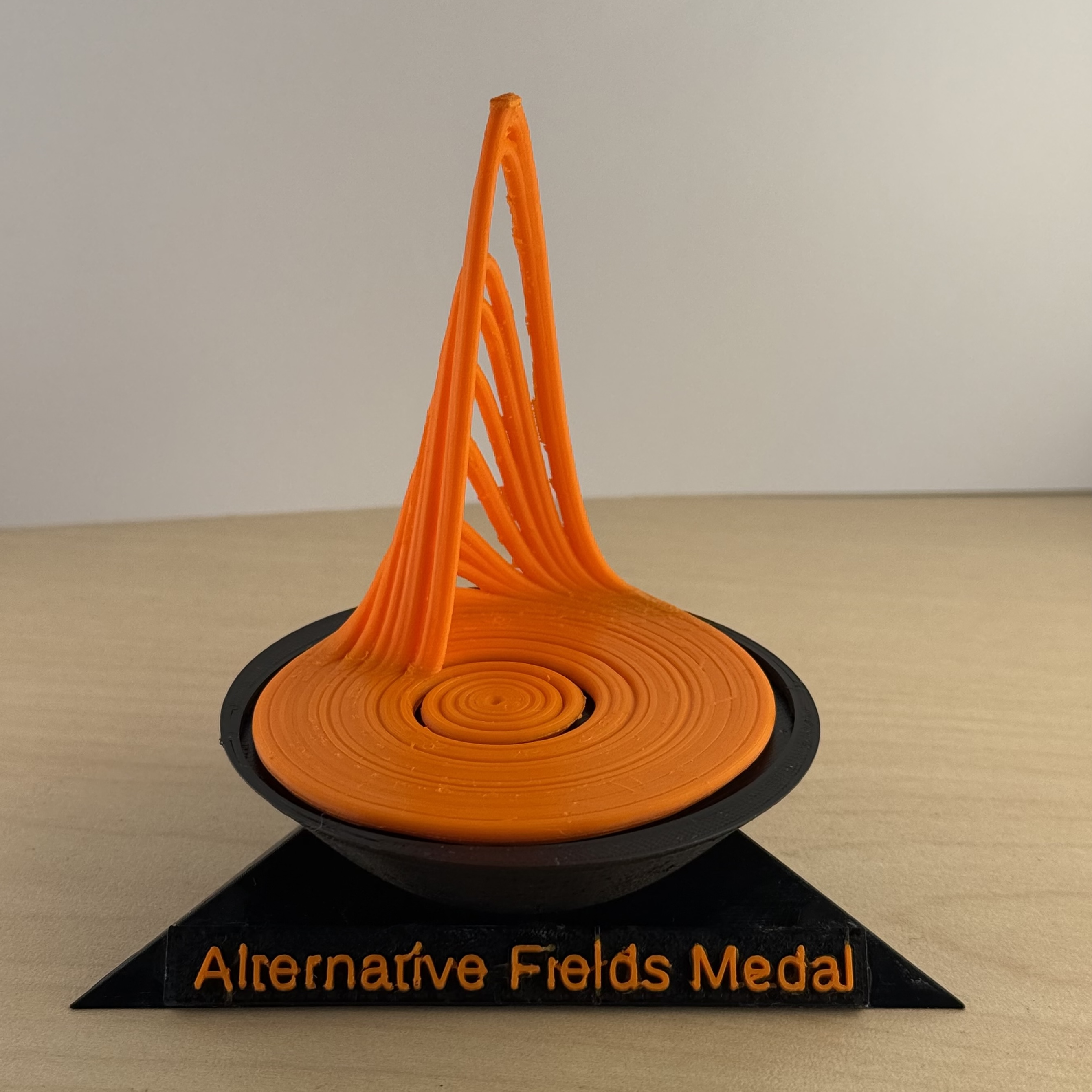 | 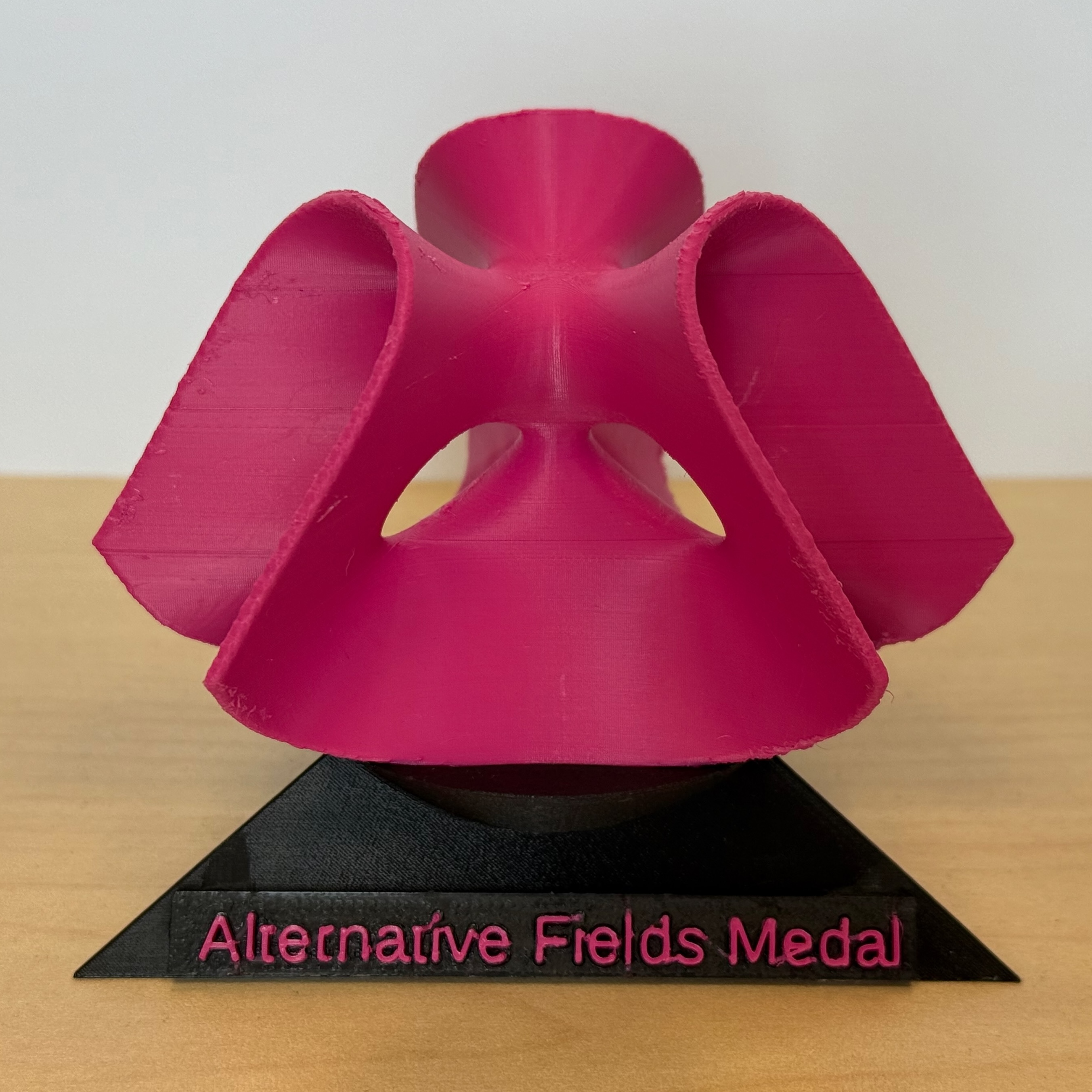 |
| Girl’s Surface | Lorenz Manifold | Rössler Attractor | Clebsch Surface |
The math behind the trophies
Girl’s Surface is a compact immersion of the real projective plane into three-dimensional space due to Goodman and Kossokowski in 2009. (The name is a tongue-in-cheek reference: the best known compact immersion was developed in 1901 by Werner Boy and is known as Boy’s Surface.) For more information, see “Girl’s surface” by Sue Goodman, Alex Mellnik, and Carlo Sequin; in Proceedings of Bridges, 2013.
The Lorenz system was original developed in 1963 as a simplified model of atmospheric convection. This object is the two-dimensional stable manifold of the equilibrium point at the origin. See “3D printing of invariant manifolds in dynamical systems” by Patrick R. Bishop, Summer Chenoweth, Emmanuel Fleurantin, Alonso Ogueda-Oliva, Evelyn Sander, and Julia Seay in the AMS Notices, 2026.
The Rössler system was originally created in 1976 in “An equation for continuous chaos” by O. E. Rössler, in Physics Letters, with the goal of showing that chaos could occur in a system that was even simpler than the Lorenz system. See also “Modeling dynamical systems for 3D printing” by Stephen K. Lucas, E. Sander, and Laura Taalman, in AMS Notices, 2020.
The Clebsch Diagonal Cubic Surface is a surface that was studied by Afred Clebsch in his 1871 paper on the geometric interpretation of the theory of the quintic equation and also by Felix Klein in 1873. It is a nonsingular surface which has as its symmetry group the symmetric group S5. See also the Clebsch surface Wikipedia page.
Acknowledgements
- Thank you to those who contributed nominations!
- Trophy Design: Evelyn Sander.
- Trophy Printing: Nicole Savir.
2022 Awards
Winners 2022
The following are the 2022 winners in the four categories listed above. They were announced on May 25, 2022.
 |  | 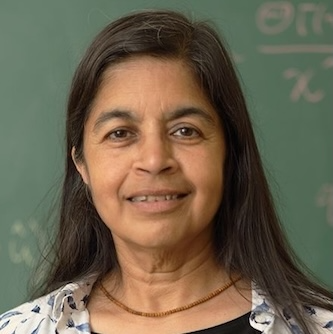 | 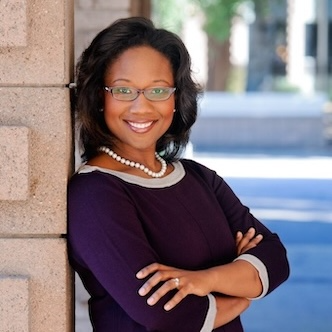 |
| 1. Andrew J. Bernoff | 2. Lenka Zdeborová | 3. Nalini Joshi | 4. Talithia Williams |
AFM Trophies 2022
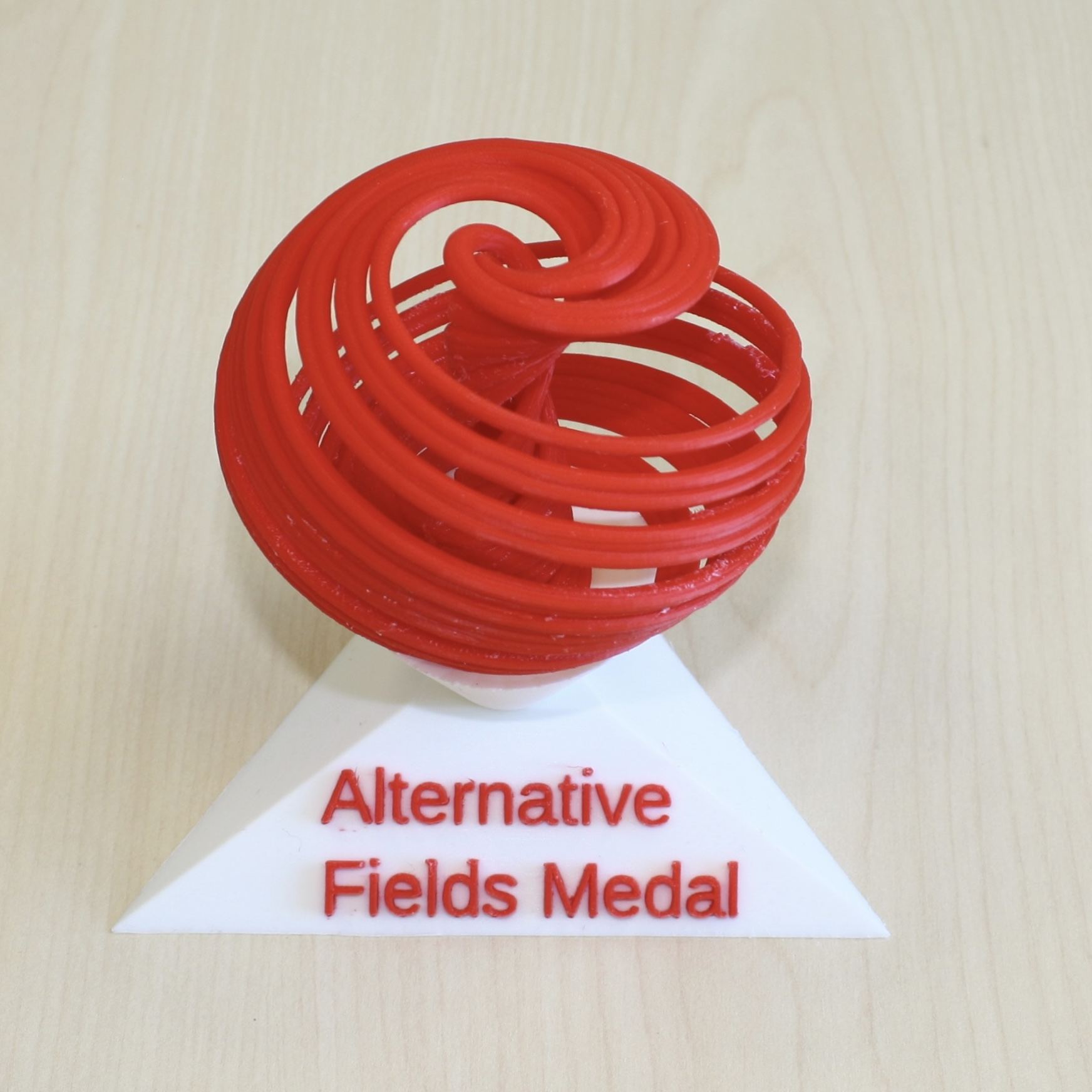 | 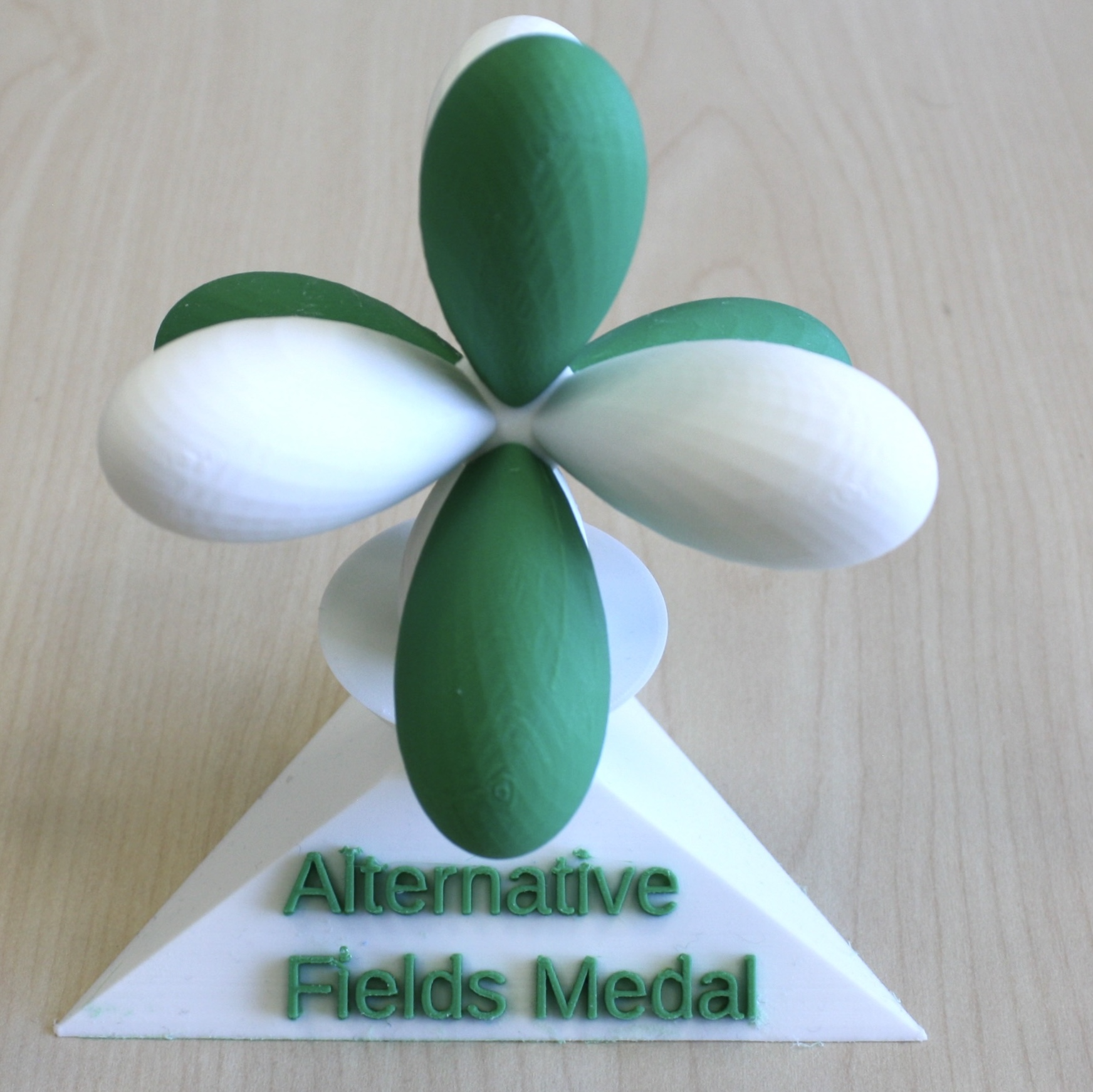 | 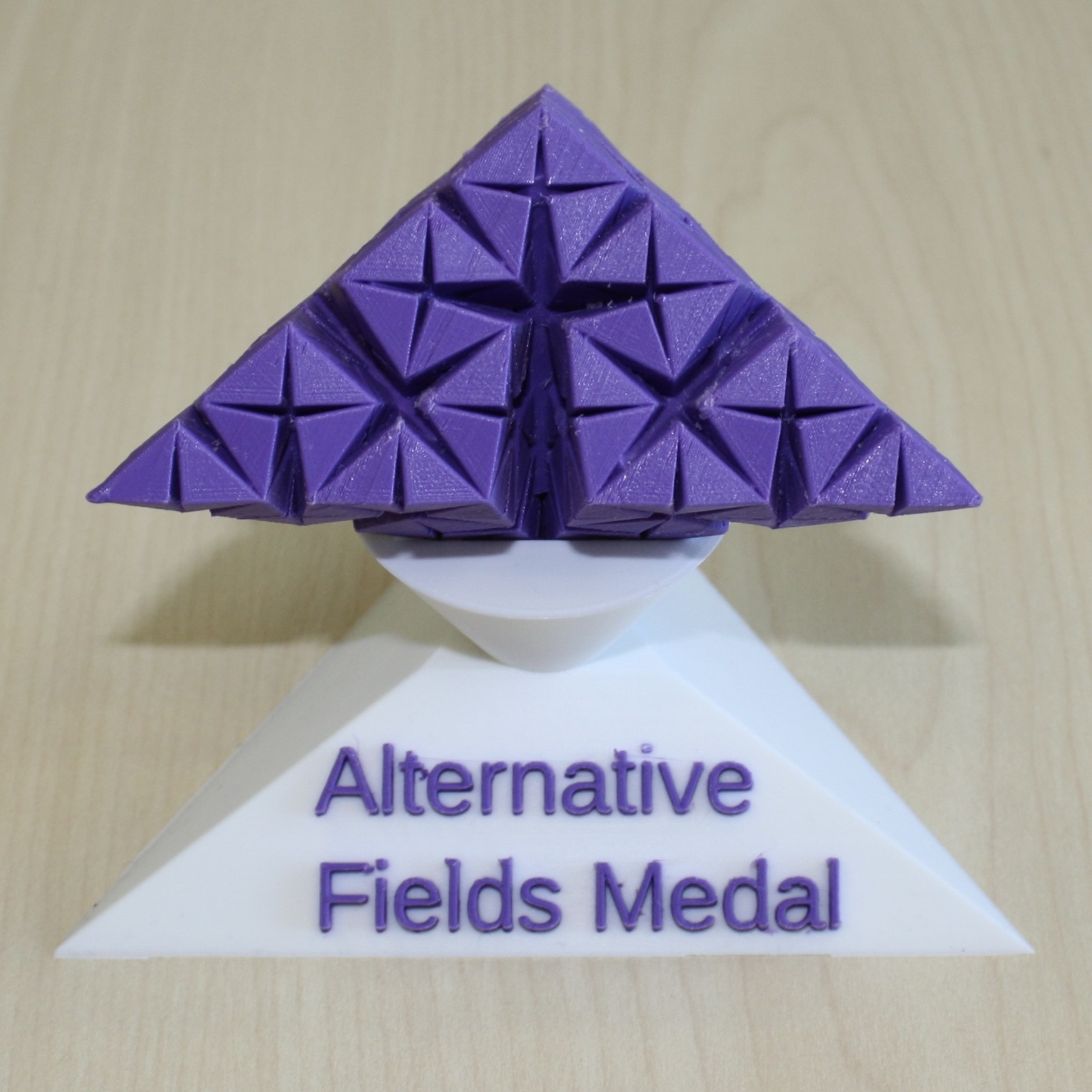 | 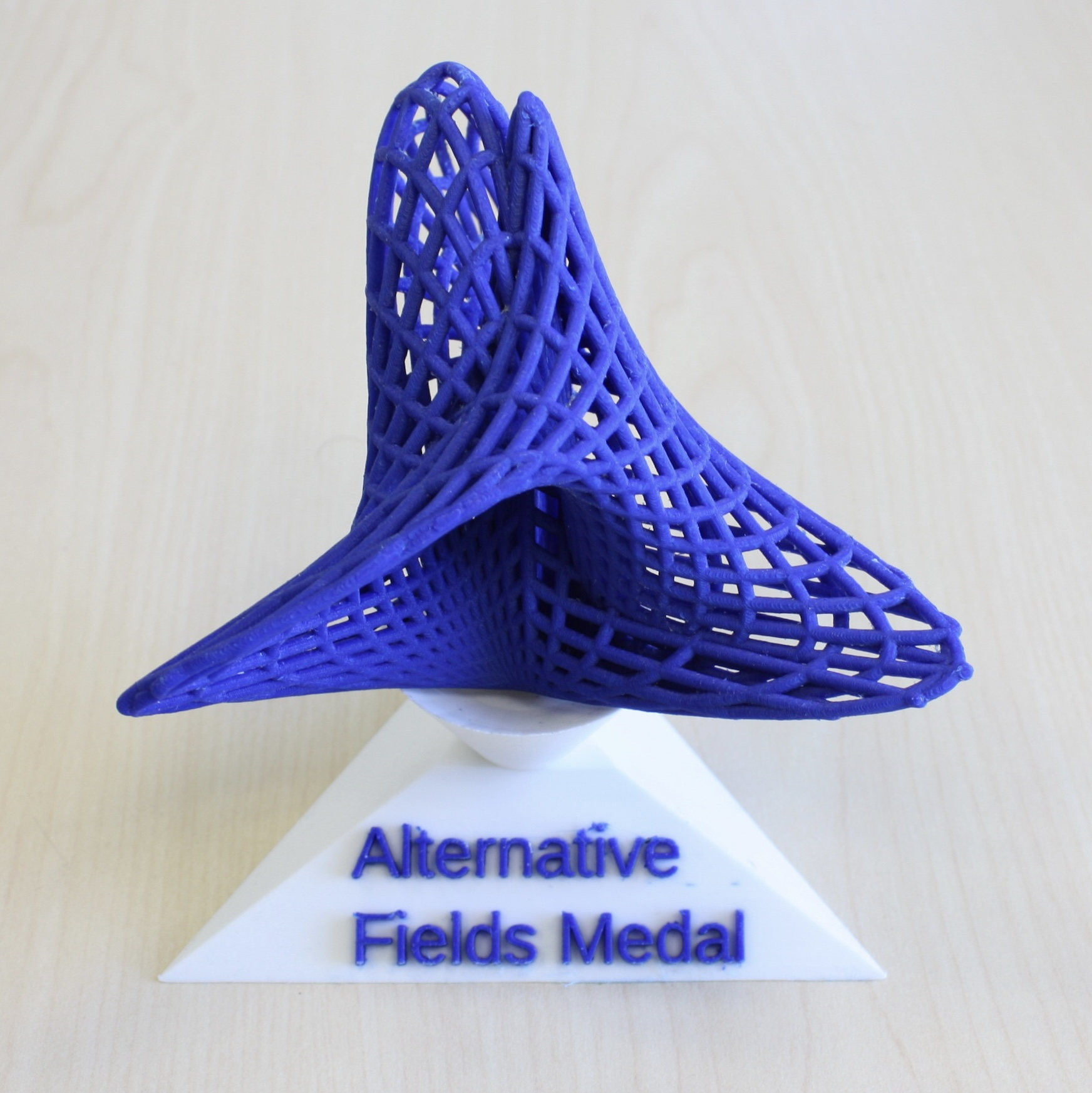 |
| The Langford Attractor | Spherical Harmonic | Iterated function system | Boys surface |
The math behind the trophies
The dynamical system that has the Langford chaotic attractor is mentioned in this article “Modeling Dynamical Systems for 3D Printing” by Stephen K. Lucas, Evelyn Sander, and Laura Taalman; in Notices of the AMS.
To learn more about spherical harmonics, see the Wikipedia page: https://en.wikipedia.org/wiki/Spherical_harmonics
Trophy based on “Three-Dimensional Fractals” by Bandt, Duy, and Mesing; in The Mathematical Intelligencer. To learn more about iterated function systems, see the Wikipedia page: https://en.wikipedia.org/wiki/Iterated_function_system
You can read more about Boy’s Surface (which was named after Werner Boy, from work in his dissertation under David Hilbert) at this page: https://virtualmathmuseum.org/Surface/boys_apery/boys_apery.html
Acknowledgements
- Thank you to those who contributed nominations for the four categories!
- Trophy Design: Evelyn Sander.
- Trophy Printing: Patrick Bishop.
- Photo credits: All photos by D.M. Anderson.